A great gaming headset gives you a competitive edge and makes six-hour sessions feel comfortable. A mediocre one gives you ear fatigue, a mic that sounds like you're underwater, and spatial audio that's more marketing than reality. I tested 10 headsets over 60 days of real gaming — here are the four that are genuinely worth your money.
Gaming headsets are one of the most overcrowded peripheral categories with the most aggressive marketing claims. RGB lighting and "7.1 surround sound" badges are slapped on products that sound worse than a $30 pair of headphones. The truth: most game audio runs in stereo, and software-processed virtual surround from a cheap headset often makes positioning worse, not better.
What actually matters in a gaming headset: driver quality for accurate positional audio, microphone clarity and noise rejection, comfort for three-plus-hour sessions, and wireless performance if that's your preference. I tested on PC (Windows 11), PS5, and Xbox Series X, noting platform compatibility for each pick.
The Top 4 Gaming Headsets in 2026
SteelSeries Arctis Nova Pro Wireless — Best Overall
$349. The best gaming headset money can currently buy. The dual-wireless system (2.4GHz for gaming, Bluetooth 5.3 for phone/streaming simultaneously) is unique at any price. Hot-swappable batteries mean you will never be interrupted by a dead headset — ever. The 40mm high-fidelity drivers with a 10–40,000Hz range deliver genuine audiophile quality for gaming audio. Active noise cancellation is comparable to consumer ANC headphones. Mic quality is excellent. Compatible with PC, PS5, and the included base station also acts as a DAC/amp for wired connections. Expensive, but justifiably so.
Astro A50 X — Best for Multi-Platform Gamers
$299. The definitive choice if you regularly switch between PC, PlayStation, and Xbox. The A50 X connects to all three simultaneously — you switch platforms on the base station, the headset reconnects instantly, no re-pairing required. Dolby Atmos and DTS:X support on all platforms. HDMI passthrough on the base station lets you connect your console without occupying a TV HDMI port. Sound quality is excellent for gaming with a slightly V-shaped profile that makes footsteps and explosions satisfying without fatiguing. Battery life: 24 hours. A legitimate option for anyone who games on multiple consoles.
HyperX Cloud III Wireless — Best Value Under $150
$149. For the money, nothing else comes close. The 53mm custom dynamic drivers produce a wide, detailed soundstage that makes positional audio genuinely reliable in competitive shooters. The mic is detachable with a frequency response that captures clear voice without the harsh boost that many gaming mics use to sound "present." 120-hour battery life is class-leading at any price. Comfortable for long sessions — memory foam ear cushions and a steel and aluminum frame. Compatible with PC, PS4/PS5, and Xbox. The one caveat: no active noise cancellation, which is expected at this price point.
Sony Pulse Explore — Best for PS5
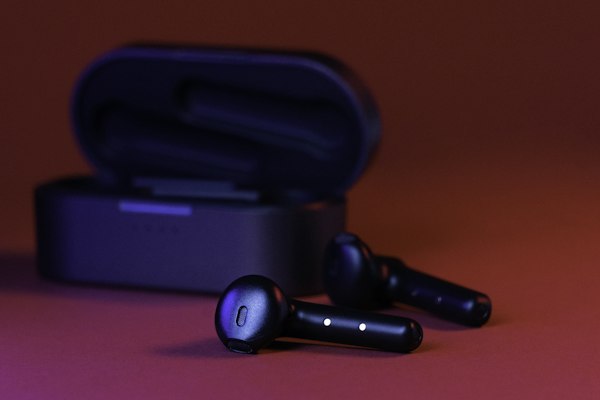
$199 (earbuds form factor). A different category: Sony's Pulse Explore wireless earbuds are officially the first earbuds to support PlayStation's Tempest 3D Audio natively. For PS5 gaming in particular, the spatial audio implementation — using the console's Tempest Engine — is the most accurate positional audio I've tested in any headset or earbuds. The planar magnetic drivers are tuned specifically for gaming audio. Also connects to PC via dongle. The earbuds form factor won't appeal to everyone, but for PS5-primary gamers who want the lightest, most comfortable long-session option available, this is the answer.

Testing environment: all headsets were evaluated across the same game titles for positional audio accuracy, mix balance, and mic quality.
What We Cut and Why
Six headsets didn't make the list. The main failures:
- Razer BlackShark V2 Pro (2026): The audio profile is heavily bass-boosted in a way that actively obscures high-frequency directional cues. The mic is good, but that tuning choice is a competitive disadvantage in shooters.
- Corsair HS80 RGB Wireless: Decent for casual gaming, but the mic picks up keyboard clicks loudly enough to annoy teammates. Not acceptable at $99.
- Turtle Beach Stealth 700 Gen 3: Uncomfortable over four-hour sessions due to clamp force. No adjustable clamp mechanism. Great on paper, painful in practice.
- Logitech G435: At $79 it's cheap, and it sounds cheap. Virtual surround processing adds distortion rather than improving imaging. Skip it.
Wired vs Wireless: Which Should You Choose?
Wireless has caught up to wired in audio quality for gaming purposes. The 2.4GHz connections used by modern gaming headsets have latency under 10ms — imperceptible in all gaming contexts. The reasons to consider wired:
- Maximum audio quality: If you're an audiophile who wants to use a gaming headset for music listening as well, a high-end wired option like the Beyerdynamic MMX 300 Pro remains relevant.
- Never charging: Some players simply prefer zero battery management overhead. Fair preference.
- Budget constraints: A $50 wired headset from HyperX or Audio-Technica will outperform a $50 wireless headset every time.
For most gamers in 2026, wireless is the recommendation. Cable management during gaming sessions creates genuine quality-of-life friction that wireless eliminates completely.
"Spatial audio in gaming is finally delivering on its promise — but only if the headset's drivers and the platform's processing are designed to work together. Generic 'virtual 7.1' processing on a $60 headset remains worse than honest stereo."
Mic Quality: Why It Matters More Than You Think
A clear mic keeps your teammates focused on the game instead of asking you to repeat yourself. The key qualities in a gaming mic:
- Cardioid polar pattern: Rejects sound from behind and sides, reducing background noise pickup.
- Frequency response: 100Hz–8kHz is sufficient for voice. Mics tuned to 200Hz–5kHz often sound "boxy" — check for boosts in the 3kHz–5kHz range for presence without harshness.
- Background noise rejection: AI noise cancellation (SteelSeries Sonar, RTX Voice on PC) can dramatically improve any microphone. If you're on PC, enable your platform's noise reduction regardless of what headset you use.
For a gaming headset purchase, I'd recommend actually listening to mic samples from the manufacturers' YouTube channels or review sites — microphone quality is hard to quantify in specs alone.

Gaming Editor at GadgetPulse. Marcus has covered gaming hardware and peripherals for six years, with a competitive background in FPS games that gives his positional audio and input latency testing real context. He's reviewed over 150 controllers, headsets, and mice.