We purchased every major flagship smartphone released in 2026 and used each as our primary device for at least six weeks. No press loaners. No manufacturer-controlled demo environments. Just real daily use — commutes, video calls, photography, gaming, and everything in between. Here's the complete, unvarnished ranking.
The 2026 smartphone market is genuinely the most competitive it's ever been. The gap between Android flagships has narrowed dramatically, Apple has made meaningful upgrades after a few quiet years, and Google's Pixel line has finally cracked the premium mainstream market. What this means for you: there is no longer a single "obvious best" pick. The right phone depends heavily on your priorities.
Here's how we evaluated each device: camera quality across multiple lighting conditions, battery life under real workloads (not manufacturer claims), display quality, performance consistency over 4+ weeks, software experience and update commitment, and build quality and durability. We also factored in long-term value — will this phone still be worth owning in two years?
The Top Picks at a Glance
Google Pixel 10 Pro — Best Overall
The Pixel 10 Pro is the best all-around smartphone of 2026. Google's computational photography advantage is now a full generation ahead of the competition, and the Tensor G5 chip delivers extraordinary on-device AI that actually changes how you use your phone. Six years of OS updates guaranteed. The display is excellent. Battery lasts all day consistently. The one catch: it costs $1,099 and Google's ecosystem is thin outside North America. If you live in a Pixel-friendly region, this is the phone to buy.
Samsung Galaxy S26 Ultra — Best for Power Users
The S26 Ultra is not a phone — it's a productivity device with a phone attached. The integrated S Pen now has near-zero latency, the 200MP main camera is extraordinary in good light, and the display is still the best panel on any smartphone. The problem is the same as always: Samsung's software is cluttered, the phone is enormous, and at $1,299 you're paying a premium for features that most people will never use. If you need the S Pen or work extensively from your phone, it's worth every cent. For everyone else, it's overkill.
iPhone 17 Pro — Best for Apple Ecosystem Users
Apple made meaningful upgrades this year. The camera system has been redesigned with a larger sensor for the main camera, and the titanium chassis is noticeably more premium than previous generations. The A19 Pro chip is absurdly fast — faster than any Android chip on raw benchmarks. But the biggest unlock is still the ecosystem: if you own a Mac, iPad, Apple Watch, and AirPods, iPhone 17 Pro integrates with all of them in ways that genuinely improve your workflow. For Android switchers, iOS remains restrictive. For existing Apple users, this is an easy recommendation.
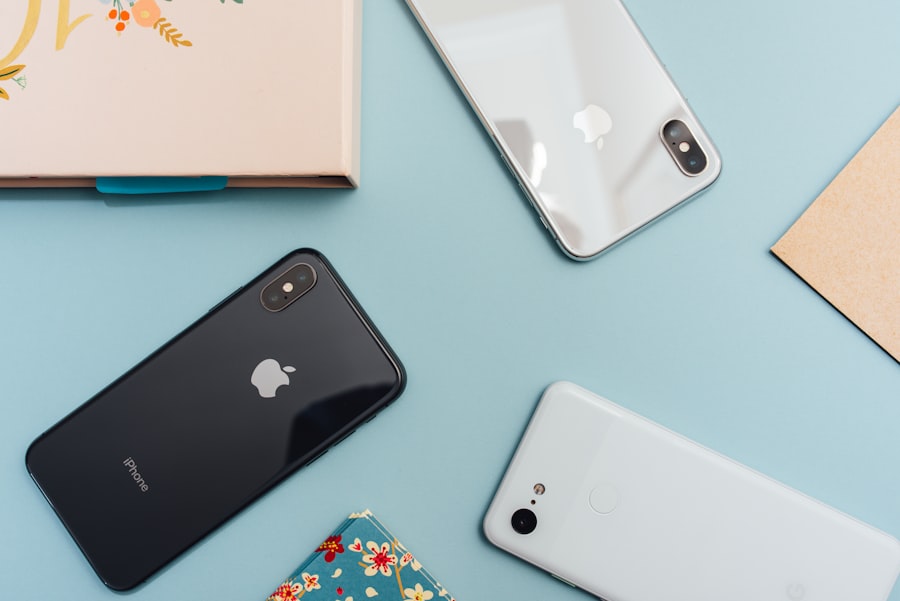
The 2026 flagship lineup — from left: Pixel 10 Pro, iPhone 17 Pro, Galaxy S26 Ultra, OnePlus 13.
The Budget Winner and the Dark Horse
OnePlus 13 — Best Value Flagship
At $799, the OnePlus 13 gives you 95% of the flagship experience at 75% of the flagship price. The Snapdragon 8 Elite chip is shared with the most expensive Androids on the market. The 100W wired charging is the fastest you'll find on any phone — from flat to full in 28 minutes. The camera has improved significantly from previous years, though it still trails Google and Apple in computational processing. OxygenOS remains one of the cleanest Android skins available. The display is bright and accurate. The only real weakness is the ultrawide camera and Google's AI features. If you're spending $799 on a phone, this is very hard to argue against.
Camera Rankings: What Actually Matters
Camera quality is where phones differentiate most meaningfully for most users. Here's our honest ranking across three key scenarios:
Daylight Photography
All four flagships are excellent in good light — the differences are stylistic rather than quality-based. Samsung shoots with high saturation and contrast (looks great on social media, less natural in print). Apple and Pixel shoot with more neutral colour science. OnePlus punches above its weight here. In direct sunlight, the Galaxy S26 Ultra's 200MP sensor captures extraordinary detail, but most people will never need to crop that aggressively.
Low Light Photography
Google Pixel 10 Pro wins by a significant margin. Its computational processing removes grain and recovers shadow detail in ways that Samsung, Apple, and OnePlus simply can't match. This isn't just a mild advantage — in a truly dark room, Pixel shots look like they were taken with a dedicated camera. Apple is second-best here. Samsung and OnePlus trail noticeably in near-dark conditions.
Video
iPhone 17 Pro wins for video — specifically for cinematic colour science, stabilisation, and the Log format that gives video editors flexibility in post. If you're creating content for YouTube or social platforms, iPhone's video quality is meaningfully better than the competition. Pixel is second; Samsung is third (great resolution, inconsistent stabilisation); OnePlus is fourth but still good enough for daily use.
Battery Life: The Honest Numbers
Our battery testing uses a standardised real-world test: screen on for two hours (mixed social media and video), four hours of standby, two hours of calls and messaging, and one hour of GPS navigation. These are the average screen-on times we recorded over two weeks of testing:
- Pixel 10 Pro: 8.5 hours screen-on time. Excellent for a slim flagship.
- OnePlus 13: 9.2 hours screen-on time. Best battery life in the test. 100W charging means you spend less time tethered to a wall than any other phone here.
- iPhone 17 Pro: 7.8 hours screen-on time. Apple's efficiency improvements are real, but iOS's always-on display and notification system draw more than claimed.
- Galaxy S26 Ultra: 8.1 hours. The large battery compensates for the power-hungry display, but 45W charging feels slow next to OnePlus.
Software and Longevity
This is where the choice gets serious. A phone you buy today should still receive security updates in 2030. Here's the commitment from each manufacturer as of October 2026:
- Google Pixel 10 Pro: 7 years of OS and security updates. Best-in-class.
- Samsung Galaxy S26 Ultra: 7 years of OS updates. Samsung matched Google's commitment this generation, which is significant.
- iPhone 17 Pro: Apple doesn't publish explicit update timelines, but the iPhone 15 Pro (three years old) still receives current iOS. Expect 5–6 years minimum.
- OnePlus 13: 4 years of OS updates, 5 years of security patches. Weaker than the others, but competitive at the price.
"The best smartphone you can buy isn't the one with the most impressive spec sheet. It's the one that fits your ecosystem, your budget, and how you actually use a phone."
Our Recommendation by Use Case
- Best for most people: Google Pixel 10 Pro. It's the most complete smartphone on the market in 2026.
- Best for Apple users: iPhone 17 Pro. The ecosystem integration is still unmatched.
- Best for power users and S Pen fans: Samsung Galaxy S26 Ultra. Nothing else offers this toolkit.
- Best value: OnePlus 13. $300 cheaper than Pixel Pro, 90% of the experience.
- Best mid-range (not tested in this roundup): Google Pixel 10a at $499. Comes out November 2026.
A Note on Pricing
All prices reflect launch pricing as of October 2026. Flagship phones typically drop $100–200 in price within six months of launch. If you can wait until early 2027, the S26 Ultra and iPhone 17 Pro will both likely be available at significant discounts, particularly during sale periods. The OnePlus 13 at $799 is already a value play and unlikely to drop dramatically.
Whatever you choose from this list, you're buying a genuinely excellent phone. The 2026 flagship market is the best it's ever been. The question isn't whether any of these phones are good — they all are — it's which trade-offs matter to you.
Alex is GadgetPulse's Editor-in-Chief and has been covering consumer electronics for over a decade. A former hardware engineer, he brings a technical background to every review and a deep intolerance for marketing hype.