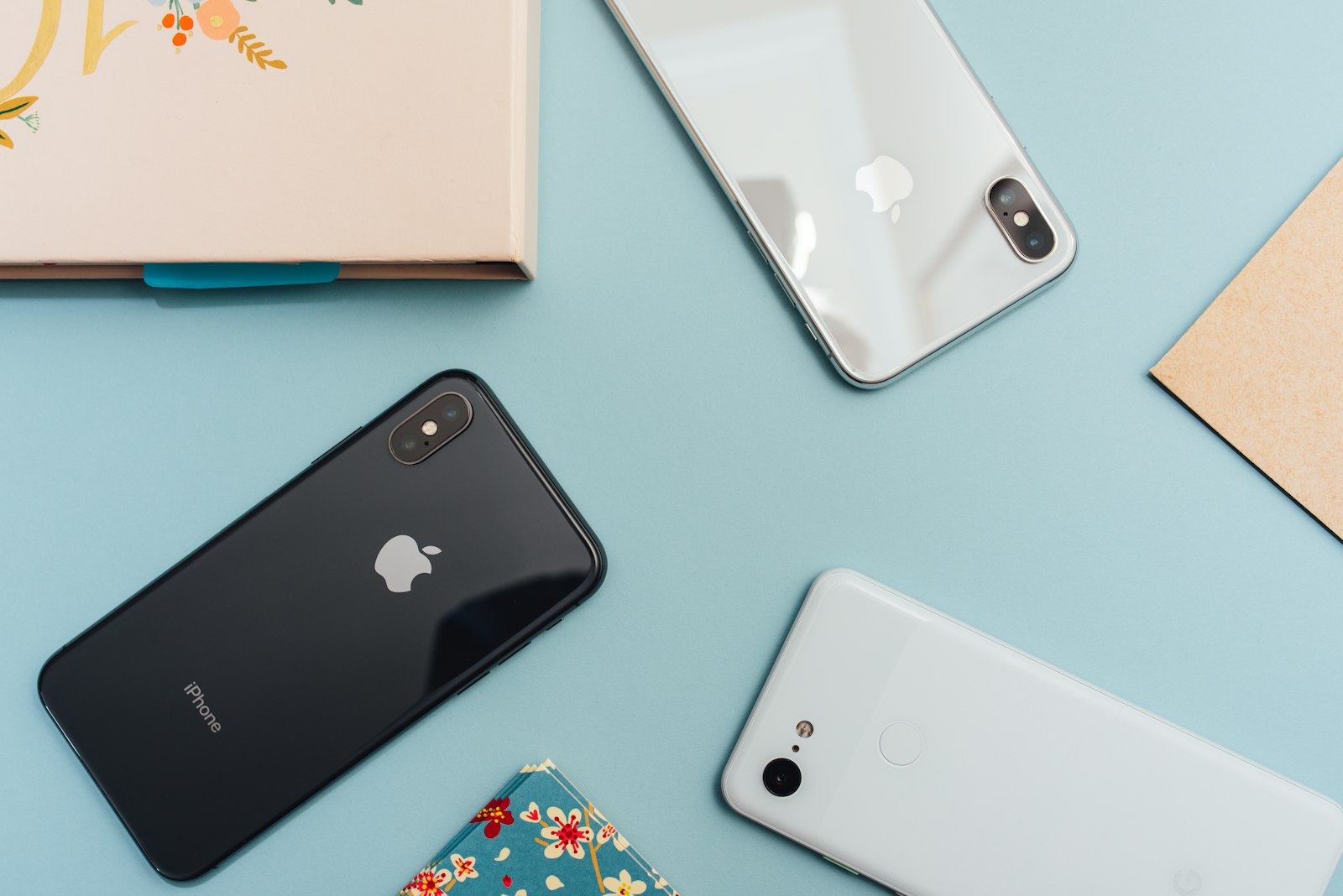
I used the iPhone 17 Pro as my daily driver for a full year, then switched to the Samsung Galaxy S26 Ultra for another year. No shortcuts, no brief hands-on impressions — twelve months with each, every aspect of daily use tested. Here's what the experience actually taught me, without the tribalism.
The iPhone vs Android question is genuinely complicated in 2026 because the technical gap between the two platforms has largely closed. Both deliver excellent cameras, excellent performance, and years of software support. The meaningful differences are now more about philosophy, ecosystem, and workflow than about raw capability. I'll cover both honestly.
Where iPhone 17 Pro Genuinely Wins
Software Longevity and Update Consistency
Apple promises and delivers seven years of iOS updates for the iPhone 17 series. That means an iPhone 17 Pro bought today will receive security patches, new features, and OS upgrades until 2032. Samsung now promises seven years for Galaxy S flagships too — but Apple's record of delivering meaningful new features to older phones is still better than Samsung's in practice. If you buy a phone and expect to use it for five or more years, iPhone's update track record is genuinely superior.
Ecosystem Integration for Apple Users
If you own a Mac, iPad, and AirPods, iPhone isn't just a phone — it's a node in a deeply integrated system. AirDrop, Handoff, Universal Clipboard, Sidecar, Continuity Camera, iPhone as a webcam for Mac — these features work seamlessly in practice, not just in keynote demos. The friction reduction for someone who works across multiple Apple devices is genuine and significant. Android offers similar functionality if you use all Google products, but the integration isn't as seamless.
Where Android (Galaxy S26 Ultra) Genuinely Wins
Customization and Flexibility
Android's openness remains its defining advantage. Default app replacement (browser, email, maps, keyboard, launcher) is fully supported. Sideloading apps outside the Play Store allows workflows that Apple's App Store policies prohibit. Widget support is more powerful and flexible. The S26 Ultra's DeX mode — turning the phone into a desktop computer when connected to a monitor — has no iPhone equivalent and is genuinely useful for people who travel with just a phone.
Hardware Variety and Specialized Features
Android covers every form factor, price point, and specialized need. Want a phone that folds? Galaxy Z Fold 7 or Pixel 10 Pro Fold. Want the highest-zoom telephoto camera on the market? S26 Ultra's 200MP main sensor with 10x optical zoom. Want a small phone? Sony Xperia 1 VI mini. iPhone's lineup, while excellent, is limited in comparison. The S Pen stylus built into the S26 Ultra is a feature set that simply doesn't exist on iPhone.
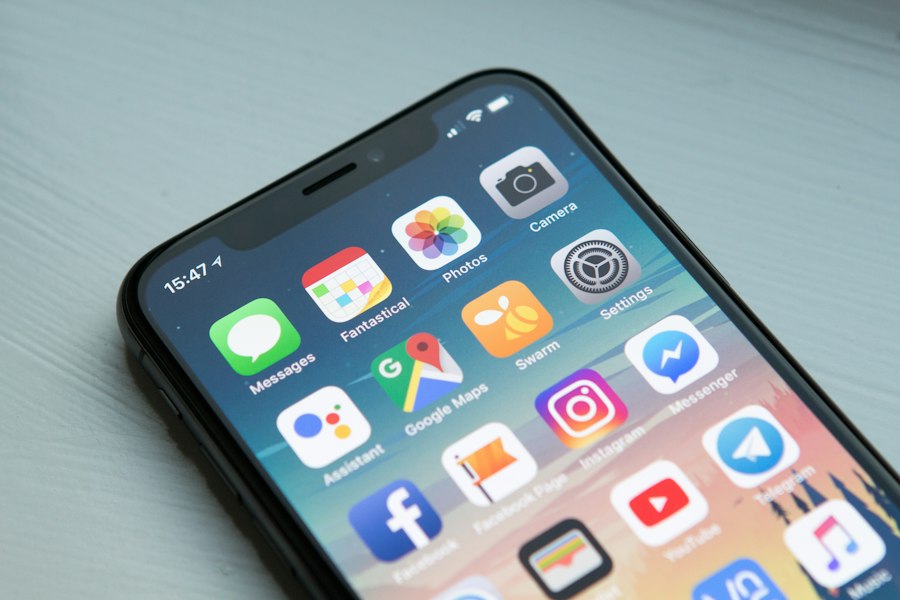
Camera quality is now genuinely close between iPhone 17 Pro and Galaxy S26 Ultra — the difference comes down to processing philosophy rather than hardware capability.
The Camera Battle: Closer Than Ever
Camera comparisons between iPhone and Android flagships are where most tech arguments live, and they're also where both camps are most dishonest. The truth in 2026:
Daylight Photography
Both produce excellent results. iPhone 17 Pro's computational photography tends toward natural color accuracy — skin tones and foliage look like reality. Samsung's processing applies more aggressive sharpening and saturation that looks impressive on a phone screen but can look artificial on a monitor. Neither approach is "wrong" — it's a processing philosophy difference. iPhone for documentary accuracy; Samsung for immediately impressive-looking social media shots.
Low Light Photography
iPhone 17 Pro's night mode is more conservative — it captures what's there without adding artificial detail. Samsung's night processing is more aggressive and produces brighter images with more apparent detail, but the detail is sometimes generated rather than captured. For casual photos, Samsung often looks better. For professional use where accuracy matters, iPhone is the choice.
Video
iPhone wins this category clearly. ProRes video recording, Log color profiles for professional grading, Action Mode stabilization, and Cinematic Mode are all ahead of Android equivalents. Professional videographers continue to choose iPhone for mobile video work, and that gap hasn't closed.
Privacy and Security: Still a Meaningful Difference
Apple's on-device processing philosophy — Siri queries processed locally, photos analyzed on-device rather than in the cloud, Private Relay masking browsing — represents a genuinely different privacy stance than Google's cloud-processing model. This isn't FUD; it's a documented architectural difference. If data privacy is a priority for you, iPhone's approach is meaningfully better than Android's default Google data collection.
The Honest Verdict
"There is no objectively better platform in 2026. There is the platform that fits your life better. The question isn't 'which phone is best?' — it's 'which ecosystem am I more embedded in, and which workflows matter most to my daily life?'"
Choose iPhone if:
- You use a Mac, iPad, or other Apple products
- Privacy and minimal data collection are important to you
- You shoot professional-quality video on your phone
- You plan to use the phone for 5+ years and prioritize update longevity
- You prefer a curated, consistent, "it just works" experience
Choose Android if:
- You want to customize your home screen, defaults, and app behavior
- You use Google Workspace heavily and want deep integration
- A specific feature (foldable screen, S Pen, extreme zoom camera) matters to your workflow
- You want hardware variety and competitive pricing across the range
- DeX or other multi-device productivity features are relevant to how you work
After two years of living with both, I'm on iPhone for personal use (I'm embedded in the Apple ecosystem) and use a Pixel 10 Pro as a secondary device for Android app testing. The question of which is "better" is the wrong question — both are genuinely excellent, and the right choice depends entirely on your situation.

Editor-in-Chief at GadgetPulse. Alex has reviewed every major smartphone flagship since the iPhone 6 era and maintains a policy of using each device as his primary phone for at least 30 days before publishing a verdict. He currently uses iPhone 17 Pro and Pixel 10 Pro as daily drivers.